


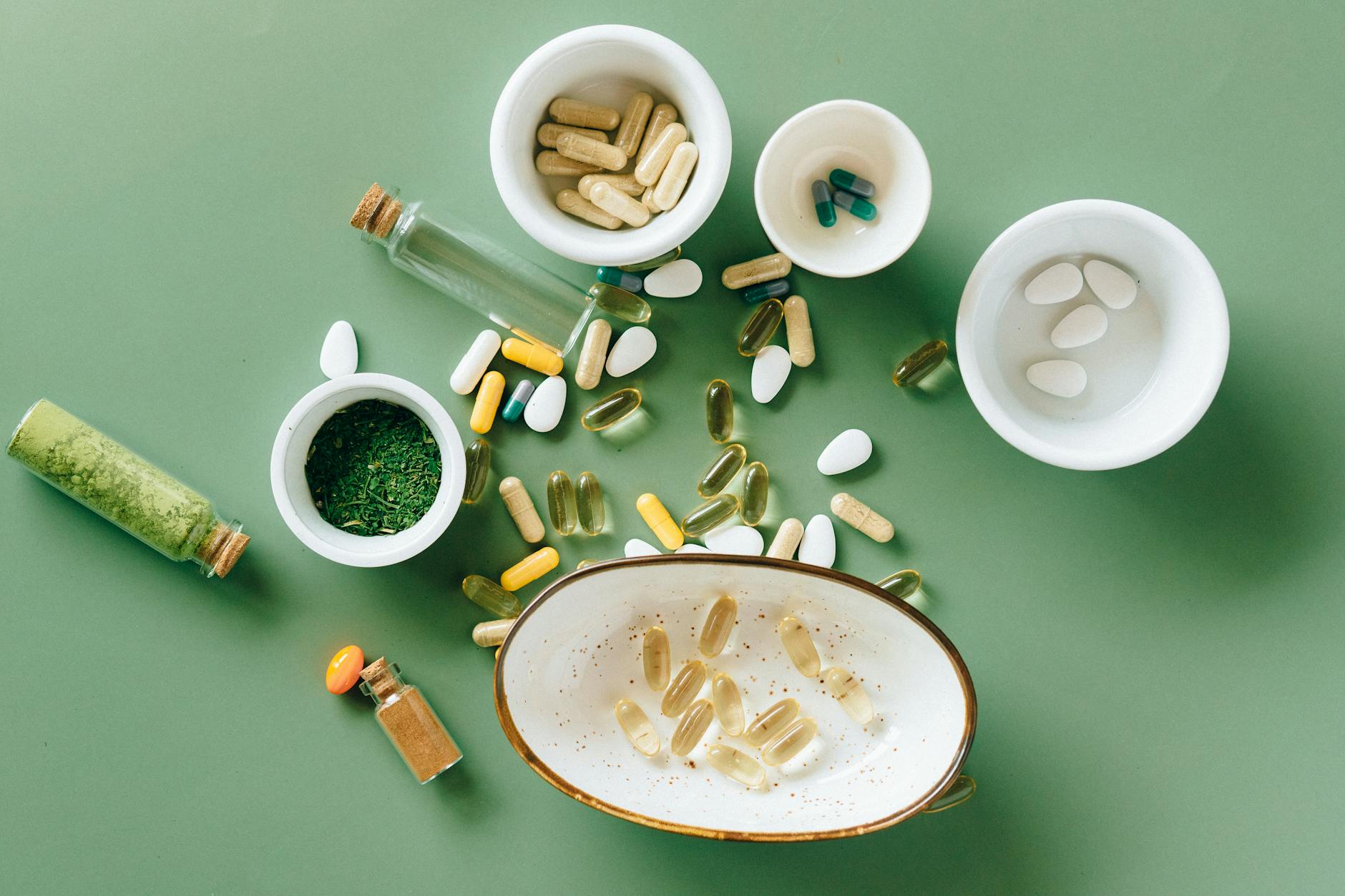
Are you tired of feeling sluggish, run-down, and constantly battling health issues? 🤔 In today's fast-paced world, maintaining optimal health can be a challenge. That's where health supplements come in – promising to fill the nutritional gaps in our diets and boost our overall well-being.
But with countless options lining store shelves and flooding online marketplaces, navigating the world of supplements can feel overwhelming. How do you know which ones are right for you? What benefits can you expect? And are there any risks involved? 🤷♂️
In this comprehensive guide, we'll demystify the realm of health supplements, exploring everything from essential vitamins and minerals to popular supplement categories. We'll dive into the potential benefits of supplementation, discuss how to choose the right supplements for your needs, and even uncover the magic of Moringa – a rising star in the health supplement world. So, whether you're a supplement novice or a seasoned pro, buckle up as we embark on a journey to unlock the secrets of optimal health through supplementation! 💪🌿
Are you tired of feeling sluggish, run-down, and constantly battling health issues? 🤔 In today's fast-paced world, maintaining optimal health can be a challenge. That's where health supplements come in – promising to fill the nutritional gaps in our diets and boost our overall well-being.
But with countless options lining store shelves and flooding online marketplaces, navigating the world of supplements can feel overwhelming. How do you know which ones are right for you? What benefits can you expect? And are there any risks involved? 🤷♂️
In this comprehensive guide, we'll demystify the realm of health supplements, exploring everything from essential vitamins and minerals to popular supplement categories. We'll dive into the potential benefits of supplementation, discuss how to choose the right supplements for your needs, and even uncover the magic of Moringa – a rising star in the health supplement world. So, whether you're a supplement novice or a seasoned pro, buckle up as we embark on a journey to unlock the secrets of optimal health through supplementation! 💪🌿
Understanding Health Supplements

A. Definition and purpose
Health supplements are products designed to augment one's diet and provide essential nutrients that may be missing or insufficient in regular food intake. Their primary purpose is to support overall health, fill nutritional gaps, and potentially prevent deficiencies. These supplements come in various forms, including:
-
Pills or capsules
-
Powders
-
Liquids
-
Gummies
Health supplements are products designed to augment one's diet and provide essential nutrients that may be missing or insufficient in regular food intake. Their primary purpose is to support overall health, fill nutritional gaps, and potentially prevent deficiencies. These supplements come in various forms, including:
-
Pills or capsules
-
Powders
-
Liquids
-
Gummies
B. Types of supplements
There are numerous types of health supplements available, each targeting different aspects of health and wellness. Here's a table highlighting some common categories:
Category
Examples
Primary Benefits
Vitamins
A, B-complex, C, D, E
Support overall health and metabolism
Minerals
Calcium, Iron, Zinc
Maintain bone health, oxygen transport
Herbs
Echinacea, Ginseng
Boost immune system, increase energy
Amino Acids
L-Glutamine, Creatine
Enhance muscle growth and recovery
Probiotics
Lactobacillus, Bifidobacterium
Improve gut health and digestion
There are numerous types of health supplements available, each targeting different aspects of health and wellness. Here's a table highlighting some common categories:
| Category | Examples | Primary Benefits |
|---|---|---|
| Vitamins | A, B-complex, C, D, E | Support overall health and metabolism |
| Minerals | Calcium, Iron, Zinc | Maintain bone health, oxygen transport |
| Herbs | Echinacea, Ginseng | Boost immune system, increase energy |
| Amino Acids | L-Glutamine, Creatine | Enhance muscle growth and recovery |
| Probiotics | Lactobacillus, Bifidobacterium | Improve gut health and digestion |
C. Regulation and safety
The regulation of health supplements varies by country and region. In many cases, supplements are not subject to the same rigorous testing as pharmaceutical drugs. Key points to consider:
-
FDA oversight in the United States
-
Good Manufacturing Practices (GMP) compliance
-
Third-party testing for quality assurance
It's crucial to research and consult with healthcare professionals before starting any supplement regimen. While many supplements are safe when used correctly, some may interact with medications or cause adverse effects in certain individuals.
The regulation of health supplements varies by country and region. In many cases, supplements are not subject to the same rigorous testing as pharmaceutical drugs. Key points to consider:
-
FDA oversight in the United States
-
Good Manufacturing Practices (GMP) compliance
-
Third-party testing for quality assurance
It's crucial to research and consult with healthcare professionals before starting any supplement regimen. While many supplements are safe when used correctly, some may interact with medications or cause adverse effects in certain individuals.
Essential Vitamins and Minerals

Key functions in the body
Vitamins and minerals play crucial roles in maintaining our health and well-being. Here are some of their key functions:
-
Metabolism regulation
-
Immune system support
-
Bone and tissue formation
-
Energy production
-
Cellular repair and growth
Vitamins and minerals play crucial roles in maintaining our health and well-being. Here are some of their key functions:
-
Metabolism regulation
-
Immune system support
-
Bone and tissue formation
-
Energy production
-
Cellular repair and growth
Common deficiencies
Despite a balanced diet, many people still experience vitamin and mineral deficiencies. The most common deficiencies include:
Nutrient
Symptoms of Deficiency
Vitamin D
Weakened bones, fatigue
Iron
Anemia, weakness
Vitamin B12
Fatigue, neurological issues
Magnesium
Muscle cramps, anxiety
Vitamin C
Weakened immune system, slow wound healing
Despite a balanced diet, many people still experience vitamin and mineral deficiencies. The most common deficiencies include:
| Nutrient | Symptoms of Deficiency |
|---|---|
| Vitamin D | Weakened bones, fatigue |
| Iron | Anemia, weakness |
| Vitamin B12 | Fatigue, neurological issues |
| Magnesium | Muscle cramps, anxiety |
| Vitamin C | Weakened immune system, slow wound healing |
Food sources vs. supplements
While obtaining nutrients from food is ideal, supplements can be beneficial in certain situations:
-
Food sources: Provide nutrients in their most bioavailable form
-
Supplements: Useful for addressing specific deficiencies or meeting increased needs
While obtaining nutrients from food is ideal, supplements can be beneficial in certain situations:
-
Food sources: Provide nutrients in their most bioavailable form
-
Supplements: Useful for addressing specific deficiencies or meeting increased needs
Recommended daily allowances
The recommended daily allowances (RDAs) vary based on age, gender, and life stage. Here's a general guideline for adults:
-
Vitamin C: 65-90 mg
-
Vitamin D: 600-800 IU
-
Calcium: 1000-1200 mg
-
Iron: 8-18 mg
-
Magnesium: 310-420 mg
It's important to note that individual needs may vary. Consulting with a healthcare professional can help determine the right balance of vitamins and minerals for your specific needs. With this understanding of essential vitamins and minerals, let's explore the various categories of popular supplements available in the market.
The recommended daily allowances (RDAs) vary based on age, gender, and life stage. Here's a general guideline for adults:
-
Vitamin C: 65-90 mg
-
Vitamin D: 600-800 IU
-
Calcium: 1000-1200 mg
-
Iron: 8-18 mg
-
Magnesium: 310-420 mg
It's important to note that individual needs may vary. Consulting with a healthcare professional can help determine the right balance of vitamins and minerals for your specific needs. With this understanding of essential vitamins and minerals, let's explore the various categories of popular supplements available in the market.
Popular Supplement Categories

A. Protein powders
Protein powders are among the most popular supplements, especially for athletes and fitness enthusiasts. They come in various forms, including:
-
Whey protein
-
Casein protein
-
Soy protein
-
Pea protein
-
Hemp protein
Protein Type
Source
Digestion Speed
Best Use
Whey
Milk
Fast
Post-workout
Casein
Milk
Slow
Before bed
Soy
Soybeans
Moderate
Any time
Pea
Yellow peas
Moderate
Vegan option
Hemp
Hemp seeds
Moderate
Vegan option
Protein powders are among the most popular supplements, especially for athletes and fitness enthusiasts. They come in various forms, including:
-
Whey protein
-
Casein protein
-
Soy protein
-
Pea protein
-
Hemp protein
| Protein Type | Source | Digestion Speed | Best Use |
|---|---|---|---|
| Whey | Milk | Fast | Post-workout |
| Casein | Milk | Slow | Before bed |
| Soy | Soybeans | Moderate | Any time |
| Pea | Yellow peas | Moderate | Vegan option |
| Hemp | Hemp seeds | Moderate | Vegan option |
B. Omega-3 fatty acids
Omega-3 supplements are derived from fish oil or algae and are known for their heart and brain health benefits. Common sources include:
-
Fish oil capsules
-
Krill oil
-
Algae-based supplements (vegan-friendly)
Omega-3 supplements are derived from fish oil or algae and are known for their heart and brain health benefits. Common sources include:
-
Fish oil capsules
-
Krill oil
-
Algae-based supplements (vegan-friendly)
C. Probiotics
Probiotics are beneficial bacteria that support gut health. They come in various strains and can be found in:
-
Capsules
-
Powders
-
Fermented foods (e.g., yogurt, kefir)
Probiotics are beneficial bacteria that support gut health. They come in various strains and can be found in:
-
Capsules
-
Powders
-
Fermented foods (e.g., yogurt, kefir)
D. Herbal supplements
Herbal supplements utilize plant-based ingredients and are used for various health purposes. Popular options include:
-
Ginkgo biloba (cognitive function)
-
Echinacea (immune support)
-
St. John's Wort (mood regulation)
-
Turmeric (anti-inflammatory)
Herbal supplements utilize plant-based ingredients and are used for various health purposes. Popular options include:
-
Ginkgo biloba (cognitive function)
-
Echinacea (immune support)
-
St. John's Wort (mood regulation)
-
Turmeric (anti-inflammatory)
E. Antioxidants
Antioxidant supplements help combat oxidative stress in the body. Common antioxidant supplements include:
-
Vitamin C
-
Vitamin E
-
Coenzyme Q10 (CoQ10)
-
Resveratrol
Now that we've explored popular supplement categories, let's discuss how to choose the right supplements for your individual needs.
Antioxidant supplements help combat oxidative stress in the body. Common antioxidant supplements include:
-
Vitamin C
-
Vitamin E
-
Coenzyme Q10 (CoQ10)
-
Resveratrol
Now that we've explored popular supplement categories, let's discuss how to choose the right supplements for your individual needs.
Choosing the Right Supplements

Assessing your nutritional needs
Before diving into the world of supplements, it's crucial to understand your body's unique nutritional requirements. This assessment can be done through various methods:
-
Blood tests
-
Dietary analysis
-
Symptom evaluation
-
Lifestyle assessment
A comprehensive approach allows for a tailored supplement regimen. Here's a quick comparison of assessment methods:
Method
Pros
Cons
Blood tests
Accurate, objective
Costly, invasive
Dietary analysis
Non-invasive, affordable
Relies on self-reporting
Symptom evaluation
Identifies specific issues
May be subjective
Lifestyle assessment
Holistic approach
Requires detailed information
Before diving into the world of supplements, it's crucial to understand your body's unique nutritional requirements. This assessment can be done through various methods:
-
Blood tests
-
Dietary analysis
-
Symptom evaluation
-
Lifestyle assessment
A comprehensive approach allows for a tailored supplement regimen. Here's a quick comparison of assessment methods:
| Method | Pros | Cons |
|---|---|---|
| Blood tests | Accurate, objective | Costly, invasive |
| Dietary analysis | Non-invasive, affordable | Relies on self-reporting |
| Symptom evaluation | Identifies specific issues | May be subjective |
| Lifestyle assessment | Holistic approach | Requires detailed information |
Consulting with healthcare professionals
Healthcare professionals play a vital role in guiding your supplement choices. They can:
-
Interpret test results
-
Identify potential deficiencies
-
Recommend appropriate supplements
-
Advise on proper dosages
Healthcare professionals play a vital role in guiding your supplement choices. They can:
-
Interpret test results
-
Identify potential deficiencies
-
Recommend appropriate supplements
-
Advise on proper dosages
Reading labels and understanding dosages
Supplement labels contain crucial information. Pay attention to:
-
Active ingredients
-
Dosage instructions
-
Serving size
-
Percentage of Daily Value (%DV)
Understanding these elements helps ensure you're getting the right amount of nutrients without risking overconsumption.
Supplement labels contain crucial information. Pay attention to:
-
Active ingredients
-
Dosage instructions
-
Serving size
-
Percentage of Daily Value (%DV)
Understanding these elements helps ensure you're getting the right amount of nutrients without risking overconsumption.
Avoiding interactions with medications
Some supplements can interact with medications, potentially causing adverse effects. To minimize risks:
-
Inform your doctor about all supplements you're taking
-
Research potential interactions before starting new supplements
-
Be cautious with blood-thinning medications and supplements
-
Monitor for any unusual symptoms when combining supplements and medications
By following these guidelines, you can make informed decisions about which supplements are right for you and how to use them safely and effectively. Remember, supplements are meant to complement a healthy diet, not replace it entirely.
Some supplements can interact with medications, potentially causing adverse effects. To minimize risks:
-
Inform your doctor about all supplements you're taking
-
Research potential interactions before starting new supplements
-
Be cautious with blood-thinning medications and supplements
-
Monitor for any unusual symptoms when combining supplements and medications
By following these guidelines, you can make informed decisions about which supplements are right for you and how to use them safely and effectively. Remember, supplements are meant to complement a healthy diet, not replace it entirely.
Potential Benefits of Supplementation

Filling nutritional gaps
Health supplements play a crucial role in addressing nutritional deficiencies that may arise from various factors such as dietary restrictions, lifestyle choices, or medical conditions. By providing essential vitamins, minerals, and other nutrients, supplements can help ensure that your body receives the necessary components for optimal functioning.
Nutrient
Common Deficiency Symptoms
Supplement Benefits
Vitamin D
Fatigue, bone pain, muscle weakness
Improves bone health, supports immune function
Iron
Fatigue, weakness, pale skin
Enhances energy levels, supports oxygen transport
Vitamin B12
Fatigue, memory problems, tingling sensations
Supports nerve function, aids in red blood cell formation
Health supplements play a crucial role in addressing nutritional deficiencies that may arise from various factors such as dietary restrictions, lifestyle choices, or medical conditions. By providing essential vitamins, minerals, and other nutrients, supplements can help ensure that your body receives the necessary components for optimal functioning.
| Nutrient | Common Deficiency Symptoms | Supplement Benefits |
|---|---|---|
| Vitamin D | Fatigue, bone pain, muscle weakness | Improves bone health, supports immune function |
| Iron | Fatigue, weakness, pale skin | Enhances energy levels, supports oxygen transport |
| Vitamin B12 | Fatigue, memory problems, tingling sensations | Supports nerve function, aids in red blood cell formation |
Supporting specific health conditions
Certain supplements can be particularly beneficial for managing or preventing specific health issues:
-
Omega-3 fatty acids for heart health and reducing inflammation
-
Calcium and vitamin D for bone strength and osteoporosis prevention
-
Probiotics for digestive health and immune system support
-
Folic acid for pregnant women to prevent birth defects
Certain supplements can be particularly beneficial for managing or preventing specific health issues:
-
Omega-3 fatty acids for heart health and reducing inflammation
-
Calcium and vitamin D for bone strength and osteoporosis prevention
-
Probiotics for digestive health and immune system support
-
Folic acid for pregnant women to prevent birth defects
Enhancing athletic performance
Athletes and fitness enthusiasts often turn to supplements to boost their performance and recovery:
-
Protein powders for muscle growth and repair
-
Creatine for increased strength and power output
-
BCAAs (Branched-Chain Amino Acids) for reduced muscle soreness and improved recovery
-
Beta-alanine for enhanced endurance during high-intensity exercises
Athletes and fitness enthusiasts often turn to supplements to boost their performance and recovery:
-
Protein powders for muscle growth and repair
-
Creatine for increased strength and power output
-
BCAAs (Branched-Chain Amino Acids) for reduced muscle soreness and improved recovery
-
Beta-alanine for enhanced endurance during high-intensity exercises
Promoting overall well-being
Beyond addressing specific concerns, supplements can contribute to general health and vitality. Antioxidants like vitamins C and E, for example, help combat oxidative stress and support cellular health. Additionally, adaptogenic herbs such as ashwagandha and rhodiola can help the body manage stress and promote mental clarity.
Beyond addressing specific concerns, supplements can contribute to general health and vitality. Antioxidants like vitamins C and E, for example, help combat oxidative stress and support cellular health. Additionally, adaptogenic herbs such as ashwagandha and rhodiola can help the body manage stress and promote mental clarity.
Risks and Side Effects

Overdosing concerns
While health supplements can be beneficial, excessive intake can lead to serious health issues. Overconsumption of certain vitamins and minerals can result in toxicity, causing symptoms ranging from mild discomfort to severe organ damage. For instance, excessive vitamin A can cause liver damage, while too much iron can lead to organ failure.
Nutrient
Overdose Symptoms
Vitamin A
Nausea, headaches, blurred vision
Iron
Stomach pain, vomiting, organ failure
Vitamin D
Kidney stones, confusion, heart problems
While health supplements can be beneficial, excessive intake can lead to serious health issues. Overconsumption of certain vitamins and minerals can result in toxicity, causing symptoms ranging from mild discomfort to severe organ damage. For instance, excessive vitamin A can cause liver damage, while too much iron can lead to organ failure.
| Nutrient | Overdose Symptoms |
|---|---|
| Vitamin A | Nausea, headaches, blurred vision |
| Iron | Stomach pain, vomiting, organ failure |
| Vitamin D | Kidney stones, confusion, heart problems |
Interactions with other supplements and medications
Supplements can interact with each other and with prescription medications, potentially altering their effectiveness or causing adverse reactions. For example:
-
St. John's Wort can reduce the efficacy of birth control pills
-
Vitamin K can interfere with blood-thinning medications
-
Calcium supplements may reduce the absorption of certain antibiotics
Always consult a healthcare professional before combining supplements with medications.
Supplements can interact with each other and with prescription medications, potentially altering their effectiveness or causing adverse reactions. For example:
-
St. John's Wort can reduce the efficacy of birth control pills
-
Vitamin K can interfere with blood-thinning medications
-
Calcium supplements may reduce the absorption of certain antibiotics
Always consult a healthcare professional before combining supplements with medications.
Quality control issues
The supplement industry is not as strictly regulated as pharmaceuticals, leading to potential quality control problems:
-
Contamination with harmful substances
-
Inaccurate labeling of ingredients
-
Inconsistent potency between batches
The supplement industry is not as strictly regulated as pharmaceuticals, leading to potential quality control problems:
-
Contamination with harmful substances
-
Inaccurate labeling of ingredients
-
Inconsistent potency between batches
False claims and marketing hype
Many supplements are marketed with exaggerated or unproven health claims. Be wary of products promising:
-
Miracle cures
-
Rapid weight loss
-
Anti-aging effects
-
Instant muscle growth
Always research thoroughly and consult reputable sources before believing marketing claims. With these risks in mind, it's crucial to approach supplement use cautiously and under professional guidance.
Many supplements are marketed with exaggerated or unproven health claims. Be wary of products promising:
-
Miracle cures
-
Rapid weight loss
-
Anti-aging effects
-
Instant muscle growth
Always research thoroughly and consult reputable sources before believing marketing claims. With these risks in mind, it's crucial to approach supplement use cautiously and under professional guidance.
Moringa Magic Supplements - health


The Power of Moringa Magic Supplements
Moringa Magic supplements harness the incredible health benefits of the moringa plant, often called the "miracle tree." These capsules offer a convenient way to incorporate this nutrient-dense superfood into your daily routine without worrying about the taste.
Moringa Magic supplements harness the incredible health benefits of the moringa plant, often called the "miracle tree." These capsules offer a convenient way to incorporate this nutrient-dense superfood into your daily routine without worrying about the taste.
Key Benefits of Moringa Magic
-
Nutrient-rich composition
-
Antioxidant powerhouse
-
Heart health support
-
Blood sugar management
-
Digestive health improvement
-
Weight management aid
-
Prostate health support
-
Nutrient-rich composition
-
Antioxidant powerhouse
-
Heart health support
-
Blood sugar management
-
Digestive health improvement
-
Weight management aid
-
Prostate health support
Nutritional Profile
Moringa Magic capsules are packed with essential nutrients:
Vitamins
Minerals
Other Compounds
A, C, B1, B2, B3, B6, Folate
Magnesium, Iron, Calcium, Phosphorus, Zinc
Antioxidants (Quercetin, Beta-carotene), Protein
Moringa Magic capsules are packed with essential nutrients:
| Vitamins | Minerals | Other Compounds |
|---|---|---|
| A, C, B1, B2, B3, B6, Folate | Magnesium, Iron, Calcium, Phosphorus, Zinc | Antioxidants (Quercetin, Beta-carotene), Protein |
Scientific Backing
Recent studies have shown remarkable results in healthy human subjects consuming moringa leaf powder:
-
Significant increase in antioxidant levels
-
Enhanced protection against oxidative stress and inflammation
-
No adverse effects reported, confirming safety for daily use
Recent studies have shown remarkable results in healthy human subjects consuming moringa leaf powder:
-
Significant increase in antioxidant levels
-
Enhanced protection against oxidative stress and inflammation
-
No adverse effects reported, confirming safety for daily use
Beyond Basic Health
Moringa Magic offers additional benefits:
-
Immune system boost
-
Anti-inflammatory properties
-
Skin health improvement
-
Bone and teeth health support
-
Natural antibacterial and antifungal properties
With its comprehensive range of benefits and scientific backing, Moringa Magic supplements present an excellent opportunity to enhance overall health and vitality. As we explore further, we'll delve into how to effectively integrate these supplements into a healthy lifestyle for optimal results.
Moringa Magic offers additional benefits:
-
Immune system boost
-
Anti-inflammatory properties
-
Skin health improvement
-
Bone and teeth health support
-
Natural antibacterial and antifungal properties
With its comprehensive range of benefits and scientific backing, Moringa Magic supplements present an excellent opportunity to enhance overall health and vitality. As we explore further, we'll delve into how to effectively integrate these supplements into a healthy lifestyle for optimal results.
Integrating Supplements into a Healthy Lifestyle

Balancing supplements with a nutritious diet
A well-balanced diet should always be the foundation of your nutrition. Supplements are meant to complement, not replace, whole foods. Here's how to strike the right balance:
-
Prioritize whole foods
-
Identify nutrient gaps
-
Choose targeted supplements
Nutrient
Food Sources
Supplement Form
Vitamin D
Fatty fish, egg yolks
D3 capsules
Iron
Red meat, spinach
Iron tablets
Omega-3
Salmon, walnuts
Fish oil capsules
A well-balanced diet should always be the foundation of your nutrition. Supplements are meant to complement, not replace, whole foods. Here's how to strike the right balance:
-
Prioritize whole foods
-
Identify nutrient gaps
-
Choose targeted supplements
| Nutrient | Food Sources | Supplement Form |
|---|---|---|
| Vitamin D | Fatty fish, egg yolks | D3 capsules |
| Iron | Red meat, spinach | Iron tablets |
| Omega-3 | Salmon, walnuts | Fish oil capsules |
Combining supplements with exercise
Certain supplements can enhance your workout performance and recovery. Consider these strategies:
-
Pre-workout: Caffeine, beta-alanine
-
During workout: BCAAs, electrolytes
-
Post-workout: Protein, creatine
Always consult with a healthcare professional before adding new supplements to your exercise routine.
Certain supplements can enhance your workout performance and recovery. Consider these strategies:
-
Pre-workout: Caffeine, beta-alanine
-
During workout: BCAAs, electrolytes
-
Post-workout: Protein, creatine
Always consult with a healthcare professional before adding new supplements to your exercise routine.
Tracking progress and adjusting intake
Monitoring your supplement regimen is crucial for optimal results:
-
Keep a supplement journal
-
Regular blood tests
-
Adjust dosages as needed
Remember, supplements are not a one-size-fits-all solution. Your needs may change over time, so stay attuned to your body and be prepared to make adjustments. With a thoughtful approach to supplementation, you can maximize the benefits and support your overall health and fitness goals.

Health supplements can be valuable tools in supporting overall wellness, but it's crucial to approach them with knowledge and caution. From essential vitamins and minerals to specialized categories like protein powders and herbal extracts, supplements offer a wide range of potential benefits. However, it's important to remember that they are not a substitute for a balanced diet and healthy lifestyle.
When considering supplements, consult with a healthcare professional to determine which ones are right for you. Be aware of potential risks and side effects, and always choose high-quality products from reputable sources. By integrating carefully selected supplements into a well-rounded health routine, you can take proactive steps towards optimizing your well-being and addressing specific nutritional needs.
Monitoring your supplement regimen is crucial for optimal results:
-
Keep a supplement journal
-
Regular blood tests
-
Adjust dosages as needed
Remember, supplements are not a one-size-fits-all solution. Your needs may change over time, so stay attuned to your body and be prepared to make adjustments. With a thoughtful approach to supplementation, you can maximize the benefits and support your overall health and fitness goals.
Health supplements can be valuable tools in supporting overall wellness, but it's crucial to approach them with knowledge and caution. From essential vitamins and minerals to specialized categories like protein powders and herbal extracts, supplements offer a wide range of potential benefits. However, it's important to remember that they are not a substitute for a balanced diet and healthy lifestyle.
When considering supplements, consult with a healthcare professional to determine which ones are right for you. Be aware of potential risks and side effects, and always choose high-quality products from reputable sources. By integrating carefully selected supplements into a well-rounded health routine, you can take proactive steps towards optimizing your well-being and addressing specific nutritional needs.

0 comments:
Post a Comment